
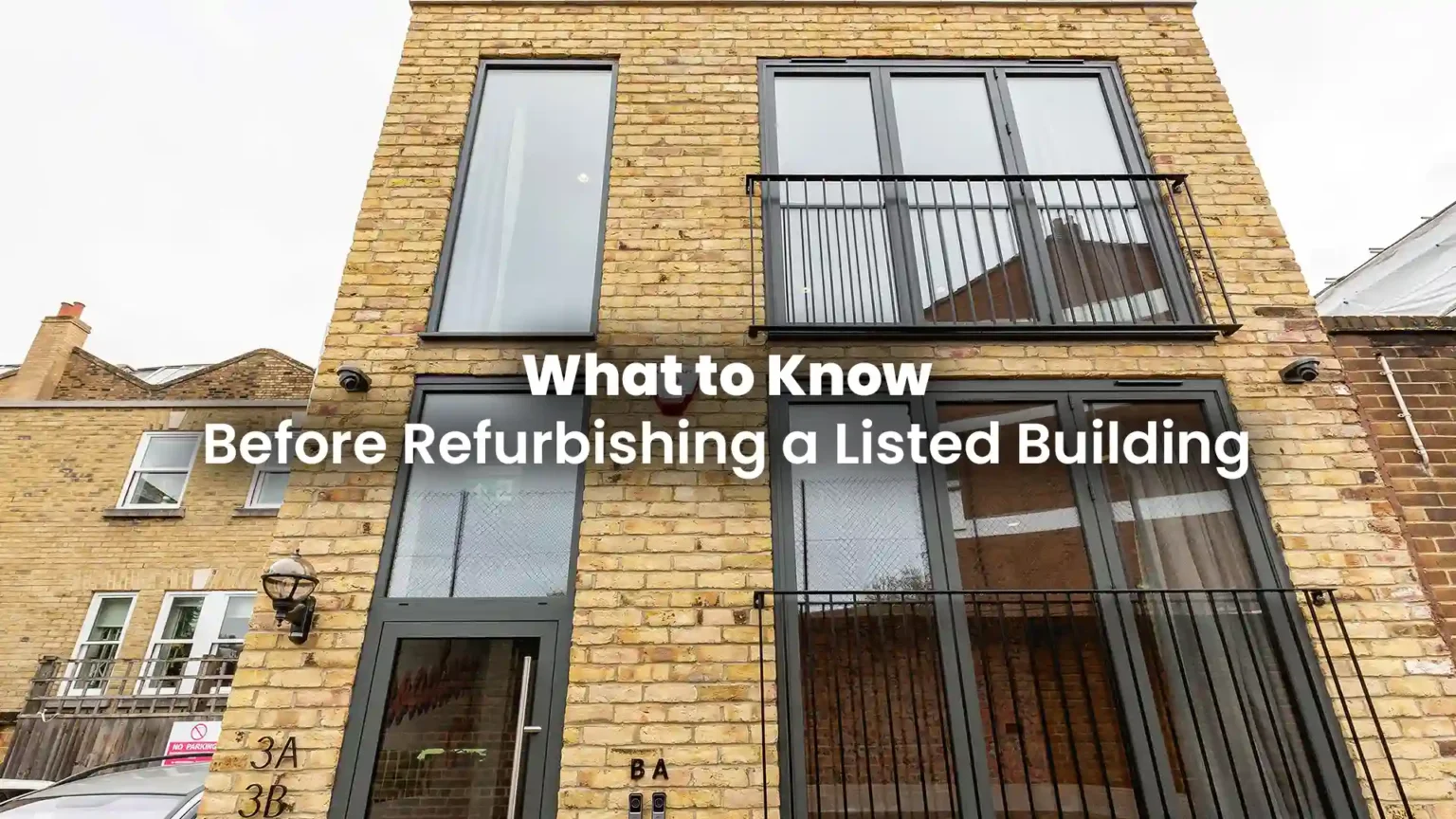
London holds a remarkable concentration of protected buildings, from Georgian terraces and Victorian warehouses to twentieth-century civic architecture. Owning and refurbishing a listed building is a privilege and an obligation in equal measure. The legal framework is stricter than most first-time owners expect, the technical decisions are less forgiving, and the difference between a sympathetic scheme and an expensive mistake is usually made in the first few weeks, long before anyone lifts a tool.
Listing protects the whole building, not just the front
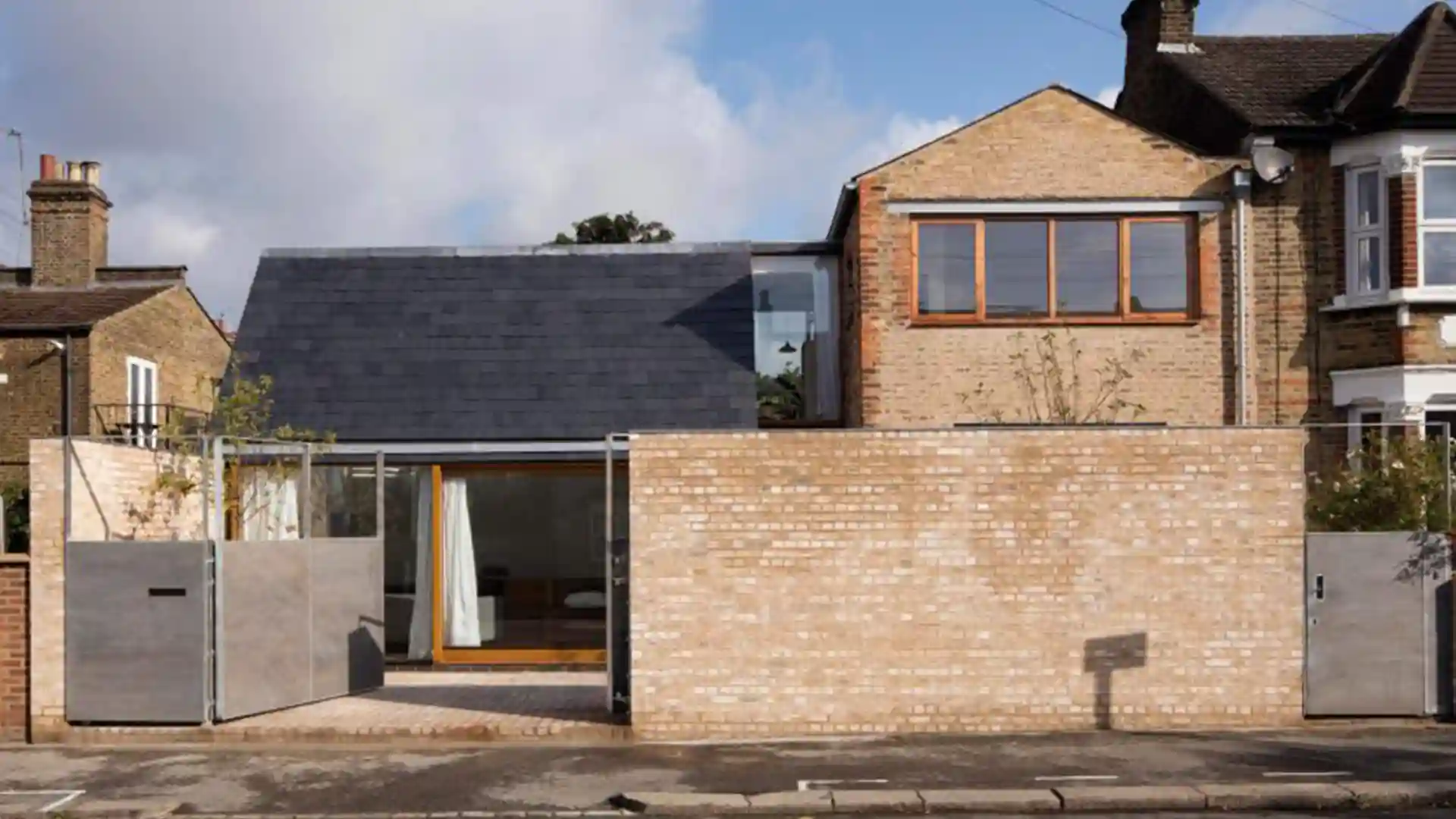
The most common misunderstanding is that protection applies only to the elevation you can see from the pavement. It does not. Listing covers the entire structure, inside and out, along with later additions and, frequently, structures within the curtilage such as outbuildings and boundary walls. A Grade II listed house is protected in its plan form, its staircase, its cornices, its original doors and its historic glass, not simply its façade.
That is why almost any meaningful alteration requires listed building consent, obtained from the local authority and separate from planning permission. Carrying out works without it is a criminal offence, and enforcement can require the work to be undone at the owner’s cost. For a protected property in central London, the consent process typically runs to several months, and that time belongs in your programme from the beginning.
Work with the conservation team, not around them
A conservation officer assesses whether proposals preserve the special interest of the building. Owners often approach that relationship defensively, which is a mistake. A well-prepared application, supported by a heritage statement, a record of the existing fabric and a clear explanation of why each intervention is necessary, generally receives a more constructive response than a scheme presented as a fait accompli. Where site conditions force a departure from the consented drawings, and in old buildings they often do, the sensible course is to raise it with the design team and the conservation officer before proceeding, not afterwards.
The technical realities
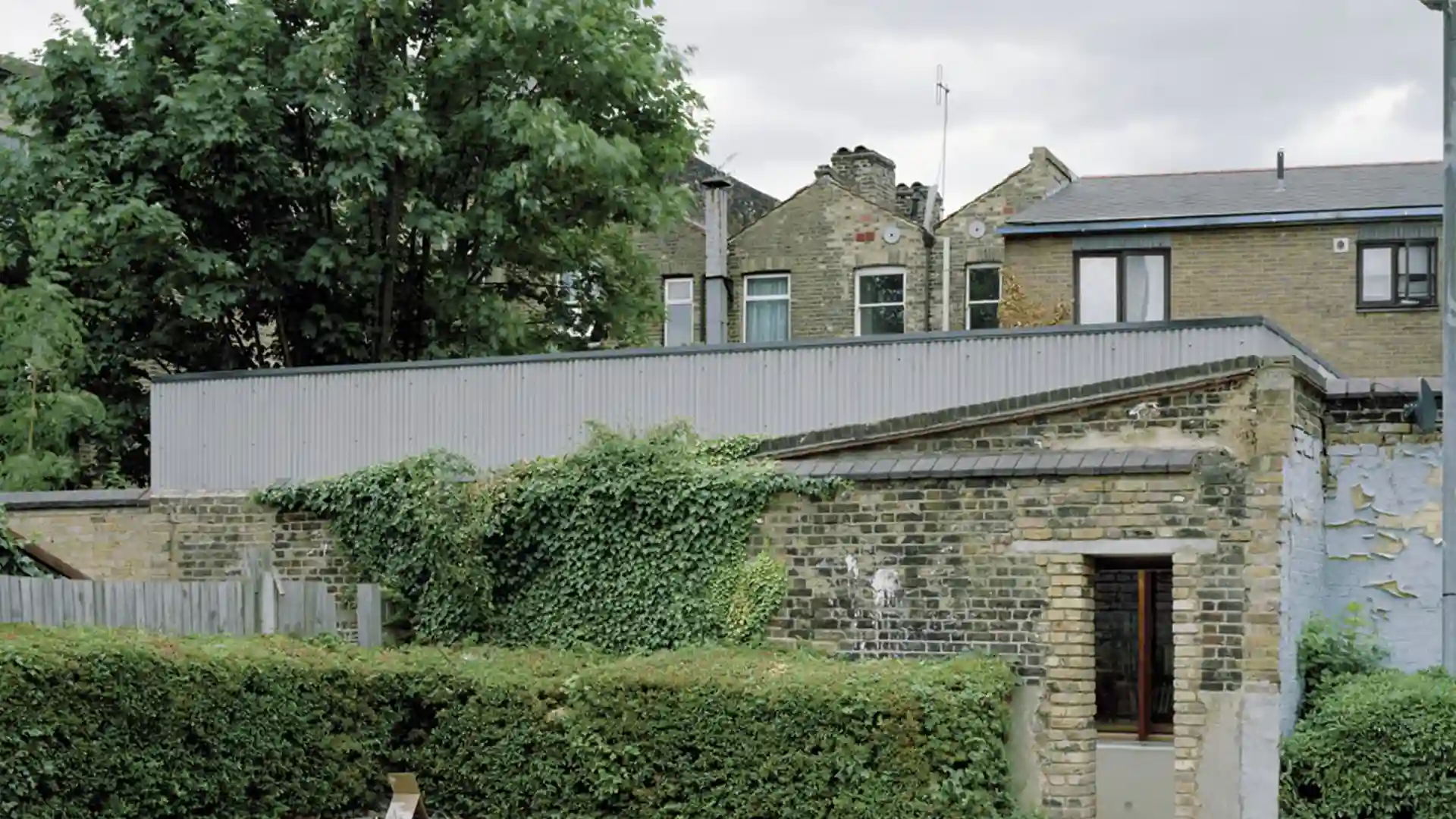
A period property rarely behaves like a modern one. Solid walls, lime mortars and timber structures were designed to breathe, and sealing them with impermeable modern materials traps moisture and causes decay in the very fabric you are trying to protect. Getting this right therefore depends on matching materials and methods: lime plasters and mortars, breathable finishes, traditional glazing details and repairs that are honest rather than concealed.
Structural work needs the same care. Structural underpinning, basement formation and new openings must be sequenced with temporary support designed for the actual condition of the building rather than assumed capacities. Where an elevation of architectural significance is retained while the structure behind it is rebuilt, façade retention requires temporary works design, movement monitoring and a demolition sequence agreed in advance. We have carried out façade retention, structural underpinning and roof extensions on Grade I and Grade II listed projects, and in each case the discipline of monitoring and recording was as important as the construction itself.
Joinery is where the character sits
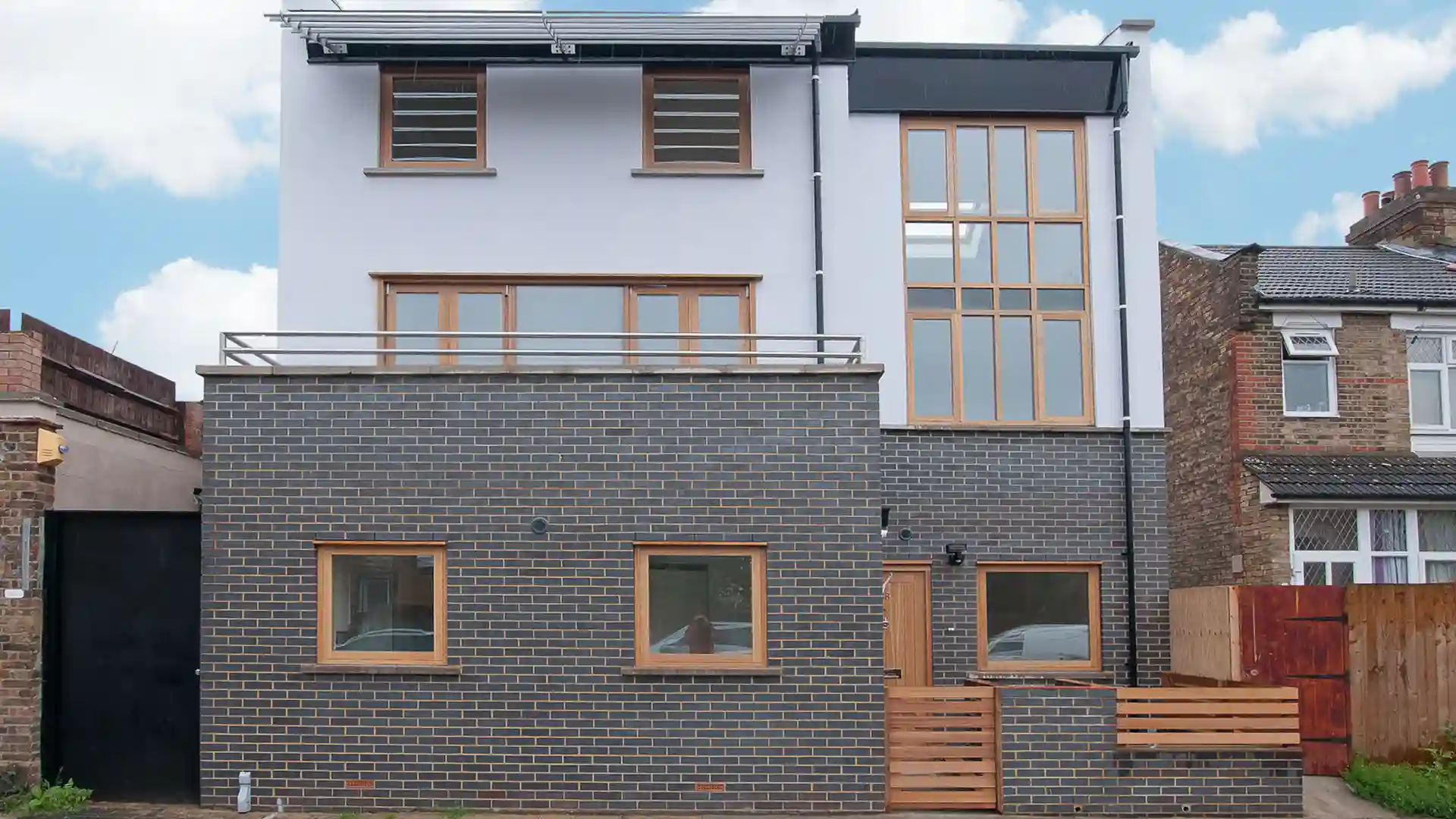
Windows, doors, shutters, panelling, staircases and skirtings carry much of a building’s character, and their loss is the change most often regretted. Repair should always be considered before replacement; a sash window with decayed cills can usually be spliced and reinstated rather than discarded. Where replacement is unavoidable, heritage joinery should reproduce the original profiles, glazing bars, timber species and method of construction. Producing heritage joinery to that standard requires accurate recording of the original before it is removed, which is one reason we survey and photograph in detail before any strip-out begins.
Practical advice for owners
- Commission a measured survey and a condition report before you commit to a design.
- Assume that listed building consent will take months, and programme it accordingly.
- Appoint a contractor who can show completed work on protected buildings, not just enthusiasm for them.
- Keep a written record of every change agreed on site; it will matter at completion.
- Budget realistically for opening up in any period property. What is found behind the plaster is rarely what was drawn.
Careful, well-planned refurbishment protects both the fabric of a building and its long-term value, and it retains the embodied carbon of a structure that already exists. Solmaz has worked on complex and sensitive projects of this type across London since 2003. If you are considering a scheme, we are happy to look at it with you at an early stage, when advice is still worth the most.